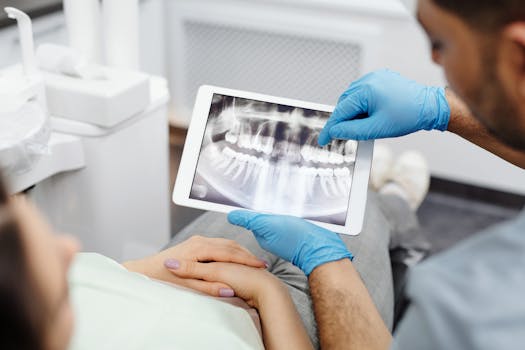
Imagine yourself in a bustling European city, a scalpel in hand, on the cusp of becoming a skilled dental professional. The dream is within reach, and for many ambitious minds, Europe offers a compelling alternative to traditional routes. It’s not just about lower tuition fees or different cultures; it’s about accessing world-class education, diverse clinical experiences, and a unique personal growth journey. But how do you navigate this landscape effectively? This isn’t about a generic overview; it’s about equipping you with the practical steps and insights needed to make studying dentistry in Europe a resounding success.
Why Europe for Your Dental Education?
The allure of studying dentistry in Europe extends far beyond geographical proximity or cost. Many European dental schools boast a rich history, cutting-edge research facilities, and a strong emphasis on practical, hands-on training. Furthermore, the Bologna Process has harmonized degree structures across many European countries, making qualifications widely recognized. This means your European dental degree can open doors not just within the continent but globally, provided you understand the accreditation and recognition processes.
Think about the exposure you’ll get: different patient demographics, a variety of dental challenges, and the opportunity to learn from international faculty. This breadth of experience is invaluable in shaping a well-rounded and adaptable dental practitioner. It’s a chance to gain a perspective you might not find elsewhere.
Navigating Admission: What Universities Look For
Gaining admission to a dentistry program in Europe, whether in English or a local language, requires meticulous preparation. Don’t expect a simple application process; it’s often more rigorous. Universities typically scrutinize your academic record, looking for strong performance in science subjects like biology, chemistry, and physics. Beyond grades, many institutions require standardized tests – common ones include the European Dental Aptitude Test (EDAT) or country-specific entrance exams.
Academic Excellence: Aim for top grades, especially in science prerequisites.
Language Proficiency: If the program is in English, a good TOEFL or IELTS score is essential. For programs in local languages, you’ll need to demonstrate fluency, often through dedicated language courses or exams.
Motivation and Aptitude: Expect essays, interviews, and sometimes practical aptitude tests to gauge your passion for dentistry and your suitability for the profession.
Extracurriculars: While not always mandatory, involvement in volunteering, shadowing dentists, or relevant research can significantly strengthen your application. It shows genuine commitment.
It’s crucial to research specific university requirements early. Deadlines can be strict, and missing one can set you back a year. Many programs have rolling admissions or earlier application windows than you might be used to.
Cost-Effectiveness: Beyond Tuition Fees
When considering where to study dentistry in Europe, the financial aspect is a significant factor. While many programs offer more affordable tuition than their North American counterparts, it’s vital to look at the total cost of living. This includes accommodation, food, transportation, health insurance, and personal expenses. Countries like Germany, Norway, and Sweden, while offering free or low-cost tuition at public universities, can have a higher cost of living.
Conversely, countries like Poland, Hungary, or Bulgaria often present a more budget-friendly option overall, with competitive tuition fees and a lower cost of living. However, ensure that the quality of education and clinical exposure meets your standards.
Key Financial Considerations:
Tuition Fees: Vary widely by country and university (public vs. private).
Living Expenses: Research the average monthly costs for your chosen city.
Scholarships and Financial Aid: Explore options, though they can be competitive.
Part-time Work: Understand the visa regulations regarding your ability to work while studying. Many students find this helps offset living costs.
Don’t just compare tuition; compare the entire financial picture. A slightly higher tuition might be justifiable if living expenses are significantly lower, leaving you with more disposable income.
Choosing Your European Destination: Key Factors
Selecting the right country and university is paramount. This decision should be informed by more than just rankings. Think about the program structure, the teaching methodologies, and the clinical opportunities available. Are you interested in specializing early, or do you prefer a broader undergraduate foundation?
Consider these factors:
Program Language: English-taught programs are increasingly common, but local language programs often offer deeper immersion.
Curriculum Focus: Does the program align with your long-term career goals? Some schools have a stronger emphasis on research, others on specific clinical areas.
Clinical Placement Opportunities: Where will you gain practical experience? Are there partnerships with local hospitals or dental clinics?
Location and Culture: Do you thrive in a big city or a smaller university town? What kind of cultural experience are you seeking? This impacts your overall well-being and enjoyment of your time abroad.
Recognition of Degree: Crucially, research how your degree will be recognized in your home country or any other country you plan to practice in. This often involves additional exams or licensing procedures.
It’s also worth noting that the “best” place to study dentistry in Europe is subjective. What works for one student might not work for another. Take the time to connect with current students or alumni if possible. Their real-world insights are invaluable.
Life Beyond the Lecture Hall: Integration and Adaptation
Studying abroad is a transformative experience that extends far beyond academics. Adapting to a new culture, language, and way of life is a significant part of the journey. Embrace the challenge! Learning the local language, even a few basic phrases, can dramatically enhance your experience and make daily life smoother.
Tips for a Smooth Transition:
Build a Support Network: Connect with fellow international students and local peers. Universities often have international student offices that can help.
Explore Your Surroundings: Make time to see the sights, try local cuisine, and engage with the culture. This is what makes studying abroad so enriching.
Stay Connected: Maintain contact with family and friends back home, but also focus on building your new life abroad.
* Be Open-Minded: Expect differences and approach them with curiosity rather than judgment. This mindset is key to personal growth.
The skills you develop outside the classroom – resilience, independence, intercultural competence – are just as important as your academic achievements. They will serve you well throughout your career.
Final Thoughts: Charting Your Course for Dental Excellence
Deciding to study dentistry in Europe is a bold, strategic move that can profoundly shape your career and personal development. By thoroughly researching your options, understanding admission requirements, managing your finances wisely, and embracing the cultural experience, you can position yourself for success. It’s not just about obtaining a degree; it’s about becoming a globally-minded, highly skilled dental professional.
So, are you ready to take that critical first step and map out your unique journey into the world of European dentistry?